
Nutrition Support for Elderly Living Independently: Easy Meal Tips for Better Health

Maintaining good nutrition becomes more challenging when living alone, yet it is vital for energy, strength, and overall wellbeing in later years. Many seniors unintentionally skip meals or choose less balanced options due to reduced appetite or effort. This guide shares simple, practical tips to make eating well easier and more enjoyable while staying independent.
Why Nutrition Matters More in Later Life
Ageing can bring smaller appetites, changes in taste, or difficulties chewing, raising risks of malnutrition, weakness, or slower healing. A nutrient-rich diet supports muscle health, bone strength, immunity, and mood — helping seniors stay active and engaged.
Core Principles of a Balanced Diet for Seniors
Follow these UK-focused guidelines (inspired by the Eatwell Guide):
Fill half the plate with fruits and vegetables — Aim for at least five portions daily; choose a variety of colours for vitamins. Frozen or tinned options count and are convenient.
Include protein at every meal — Eggs, fish, lean meat, beans, lentils, or dairy provide strength; older adults often need slightly more protein.
Choose wholegrains — Opt for brown rice, wholemeal bread, or oats for steady energy and fibre to aid digestion.
Stay hydrated — Drink 6–8 glasses of fluid daily (water, tea, or milk); dehydration can mimic tiredness or confusion.
Easy Meal Ideas and Preparation Tips
Make cooking simple and appealing:
Batch-prep nourishing basics — Cook extra porridge, soups, or stews to reheat; portion into single servings.
Quick, balanced plates — Combine ready items like tinned salmon on toast with cherry tomatoes and yoghurt.
Boost calories if appetite is low — Add full-fat milk to hot drinks, spread butter or nut butter on bread, or enjoy custard for dessert.
Add flavour without effort — Use herbs, spices, garlic, or lemon to make food tastier when senses dull.
Snack smart — Keep nuts, cheese, or fruit handy for between-meal energy.

Breakfast timing may hold the key to living longer, new research reveals
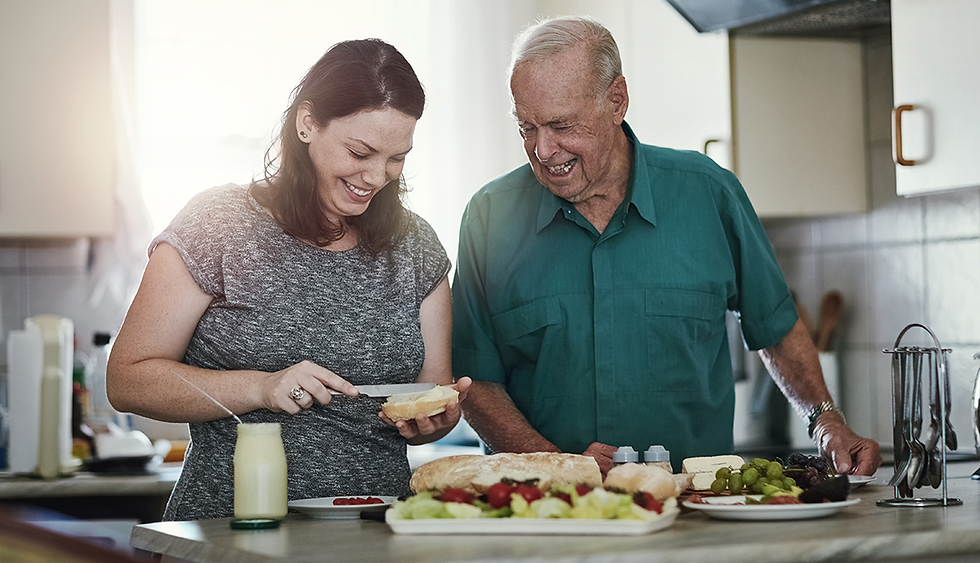
Meal Planning for an Older Adult at Home
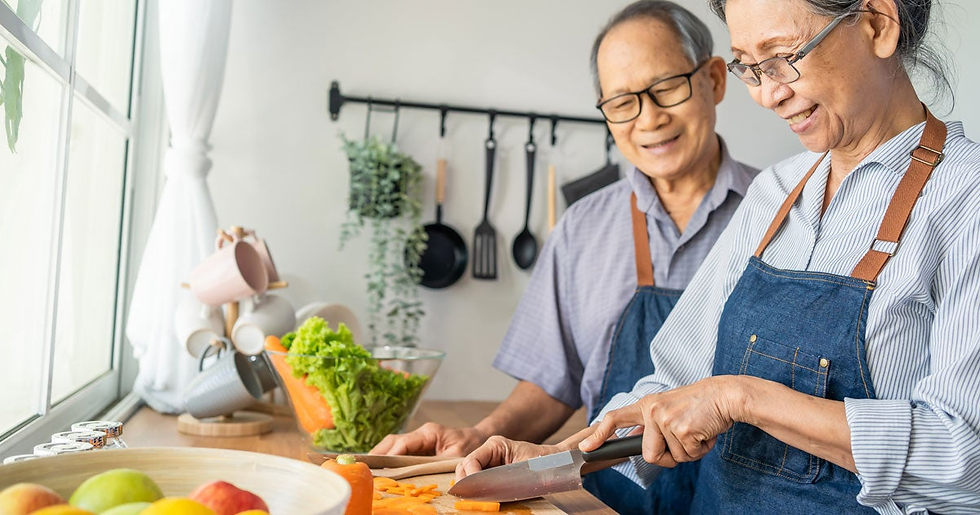
Tips for Seniors Creating Healthy Meal Plans
Overcoming Common Challenges
If shopping or cooking feels hard, companionship care can include meal planning, shopping assistance, or light preparation — ensuring nutritious food without losing independence.
Nourishing Body and Spirit for Independent Living
Good nutrition does not require complicated recipes — small, consistent choices deliver big rewards in energy, mood, and health. When seniors eat well, they feel stronger and more in control of their days.
Supporting nutrition at home preserves dignity and vitality, letting loved ones thrive independently for longer.


Comments