
Fall Prevention at Home for Seniors: Simple Modifications That Make a Big Difference

Many families worry about their ageing loved one slipping or tripping in their own
home, where they feel most comfortable and independent. Falls are one of the leading
causes of injury among seniors, but the good news is that most can be prevented with
straightforward changes and habits. This guide outlines practical ways to reduce fall
risks at home, helping seniors stay safe while preserving their dignity and autonomy.
Understanding Why Falls Happen More Often in Later Life
As we age, factors like reduced balance, weaker muscles, poor vision, and certain
medications can increase the chance of a fall. The home environment often plays a big
role too — clutter, poor lighting, or slippery floors turn everyday movements into
hazards. Spotting and addressing these early gives peace of mind to both seniors and
their families.
Key Home Modifications to Prevent Falls
Start with these simple, cost-effective changes room by room:
Remove Trip Hazards Clear pathways of clutter, secure loose rugs with non-slip
backing or tape, and tuck away electrical cords. In living areas and hallways, keep
floors free of items that could catch a foot.
Improve Lighting Install bright, energy-efficient bulbs and add motion-sensor night
lights in hallways, bathrooms, and stairways. Ensure switches are easy to reach at
both ends of stairs or corridors.
Add Supportive Equipment Fit sturdy handrails on both sides of staircases and grab
bars near toilets and in showers. Non-slip mats in wet areas like bathrooms and
kitchens provide extra grip.
Maintain Clear Access Keep frequently used items (like kettles or remote controls)
within easy reach to avoid stretching or climbing. Consider rearranging furniture for
wider walking paths.
Practical Daily Habits and Exercises for Better Balance
Beyond home changes, encourage these routines:
1. Strength and balance exercises — Simple activities like standing on one leg (holding a chair
for support), heel-to-toe walking, or Tai Chi can strengthen legs and improve stability.
2. Regular foot care — Comfortable, well-fitting shoes with good grip reduce slips; check feet
for issues like bunions that affect balance.
3. Medication review — Speak to a GP about side effects that cause dizziness — adjustments
can make a huge difference.
4. Vision and hearing checks — Updated glasses or hearing aids help seniors spot hazards and
respond quickly.
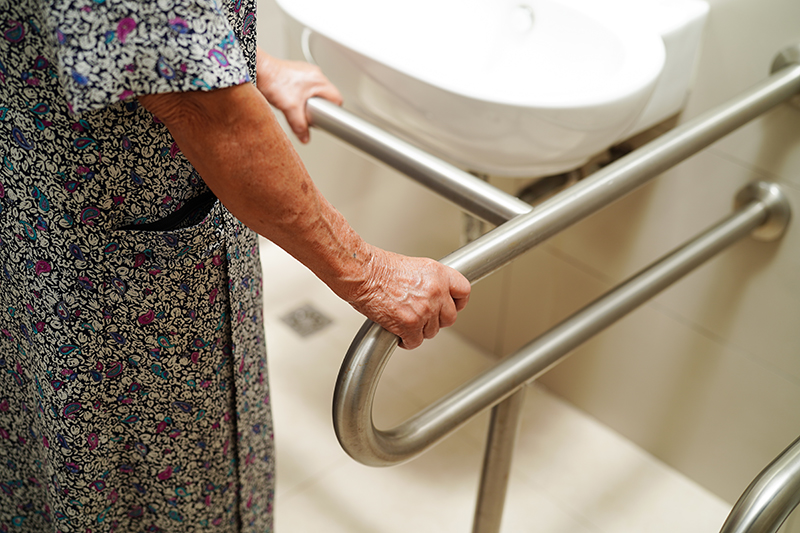
Bathroom Safety for Seniors | Elder Care Alliance
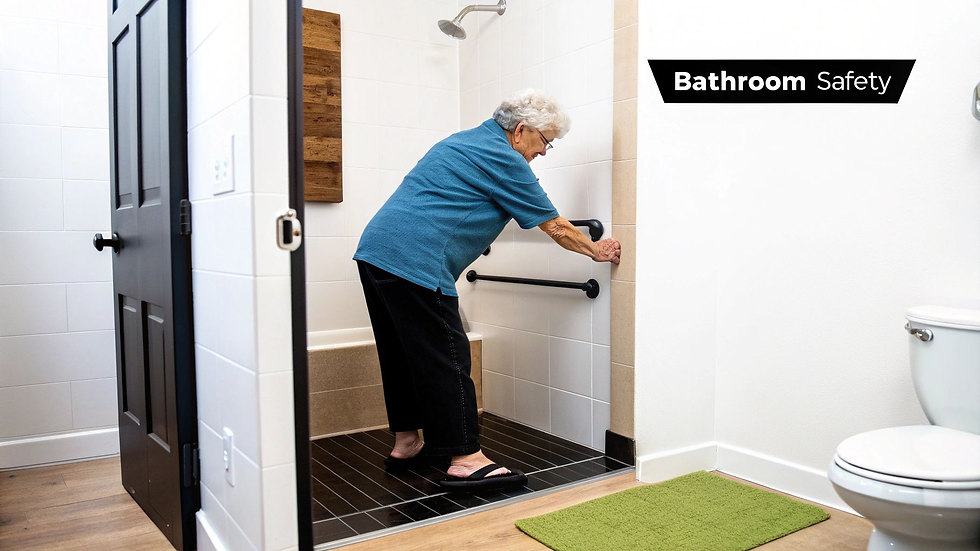
A Guide to Bathroom Safety Equipment for the Elderly | DME superstore News blog
When to Seek Extra Help
If falls have already occurred or balance feels unsteady, professional companionship
or personal care can include gentle mobility support and reminders for exercises. A
quick home safety assessment often reveals easy wins.
Creating a Safer, More Confident Home
Preventing falls is about small, thoughtful steps that let seniors move freely and
independently. With better lighting, cleared paths, supportive aids, and consistent
habits, homes become safer havens.
Families who invest in these changes often see their loved ones gain confidence and
enjoy daily life more fully — exactly what dignified ageing looks like.


Comments